Pure linen feels like a summer breeze against the skin – light, airy, and instantly cool. Yet the moment you slip into a linen‑cotton blend, you sense a different kind of comfort: a touch of softness, less cling, and a whisper of structure that keeps the garment from losing its shape. The difference isn’t just about texture; it’s about how a fabric behaves in the Indian climate, how it ages in your wardrobe, and how easily it moves from a laid‑back weekend brunch to a boardroom meeting. Picking the right linen—pure or blended—can turn a simple shirt or trouser into a versatile staple, whether you’re wearing it with a crisp blazer or a relaxed Pehanoge t‑shirt.
Pure Linen vs Blends: The Core Material Differences
- Breathability – 100 % linen’s loose weave allows maximum airflow, making it ideal for the scorching heat of Delhi or Chennai. Blends, especially those with cotton, retain much of that breathability while adding a slight heft that prevents the fabric from fluttering too much in strong winds.
- Texture – Pure linen starts with a crisp, almost raw feel that softens after a few washes. Cotton‑linen mixes begin softer, giving an immediate “ready‑to‑wear” sensation.
- Durability – Linen’s long staple fibers are naturally strong, but the fabric can fray at the seams if the weave is too loose. Adding cotton or a touch of Tencel strengthens the yarn, reduces pilling, and extends the life of shirts, trousers and lightweight jackets.
In short, pure linen excels when you crave raw summer vibes; blends excel when you need a little more structure and less wrinkling.
Recommended for You

Cotton Linen Blend Benefits: Comfort Meets Style
- Reduced Wrinkling – The cotton component tames linen’s notorious crease‑prone nature, allowing you to keep a sharp look throughout a long workday.
- Enhanced Comfort – Cotton adds a buttery softness, perfect for Indian men who prefer a smooth handfeel against the chest and thighs.
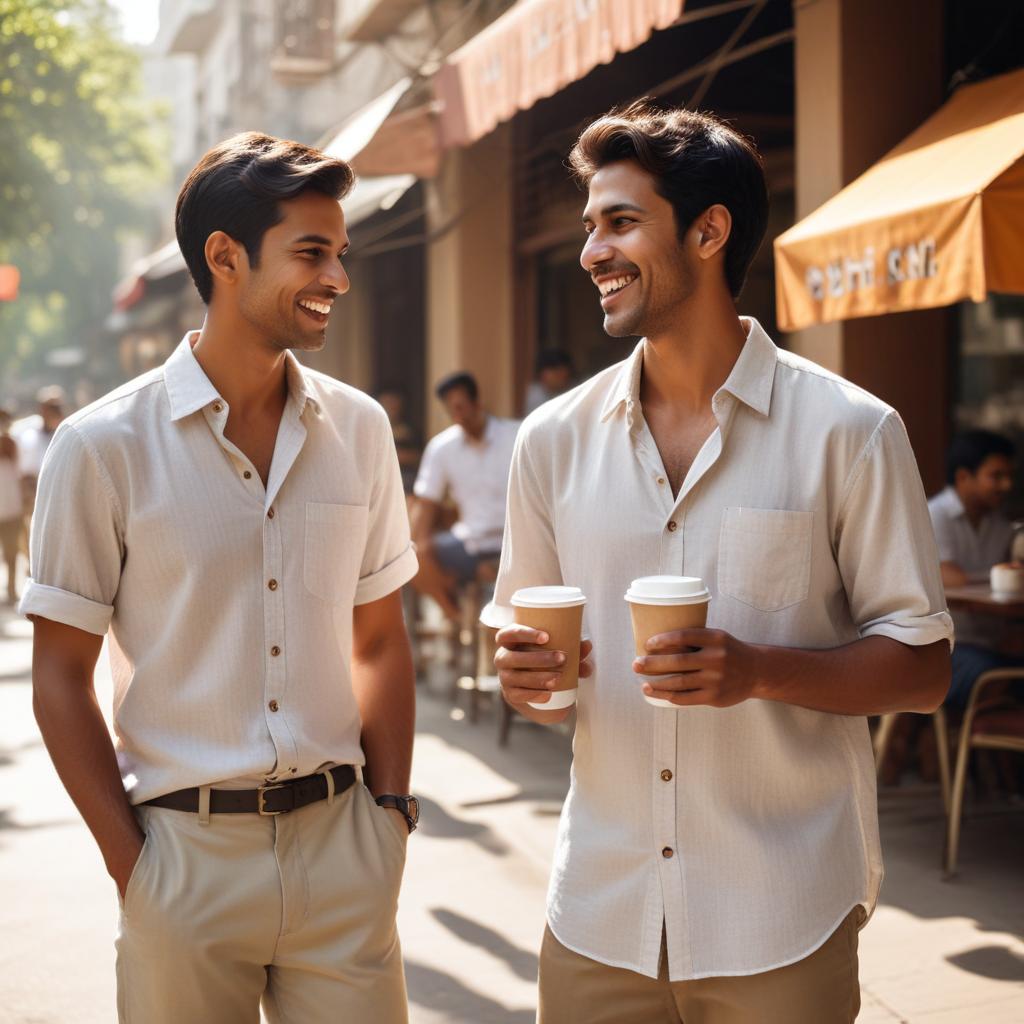
- Versatility – A 55 % linen / 45 % cotton shirt can shift from a casual Pehanoge shirt for a weekend market stroll to a semi‑formal button‑down under a blazer for an evening dinner.
These blends also tend to be slightly heavier, which helps the garment drape gracefully over the body rather than billow in humid coastal breezes.
High Quality Linen: What to Look For in Fabric Construction
When you’re scouting for premium linen, keep an eye on these markers:

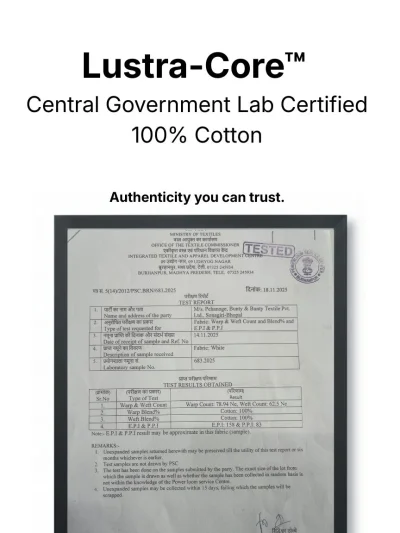
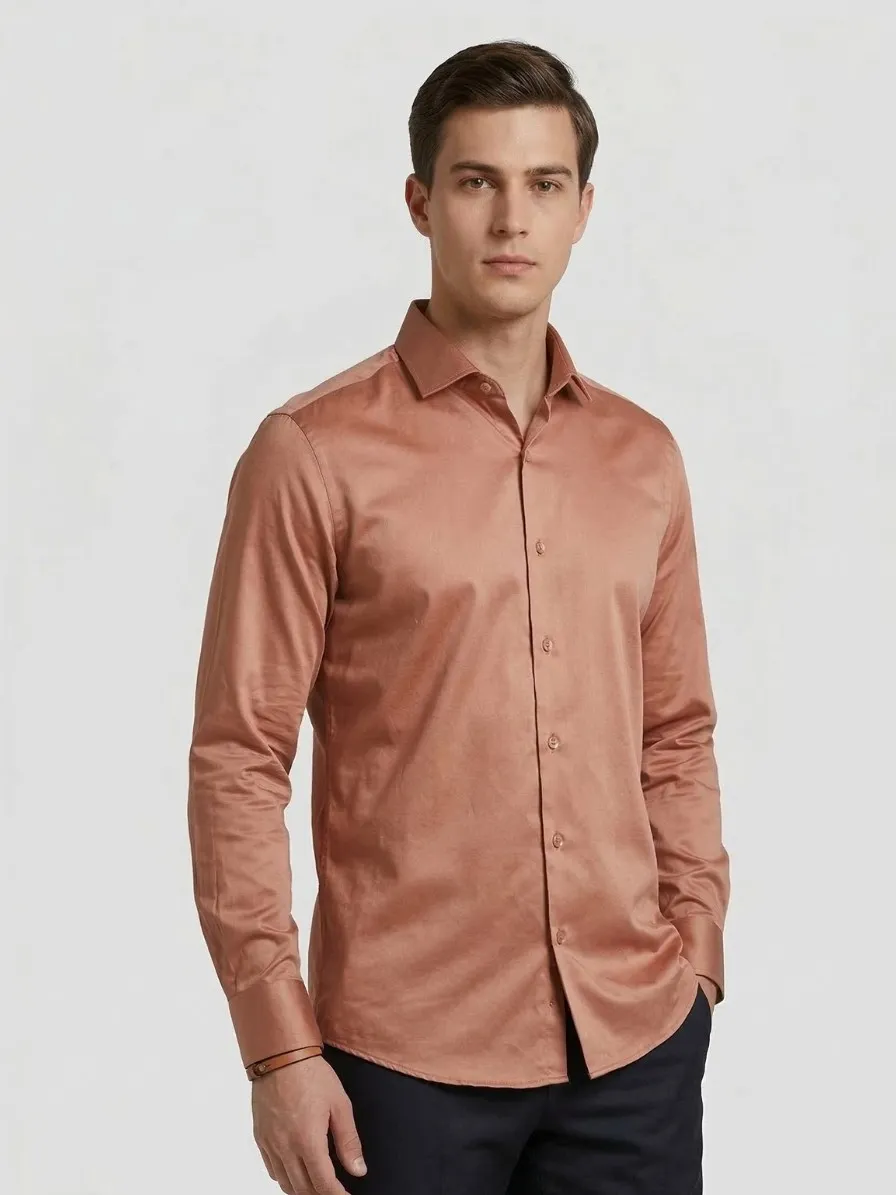
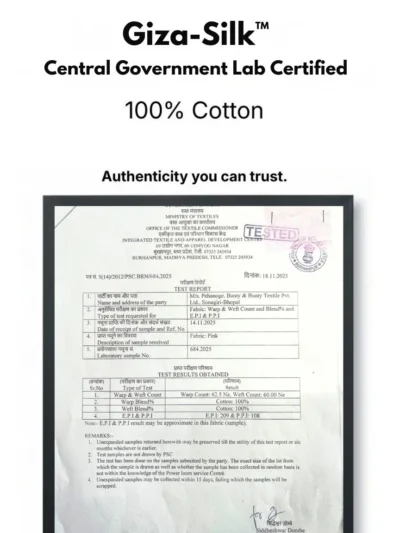
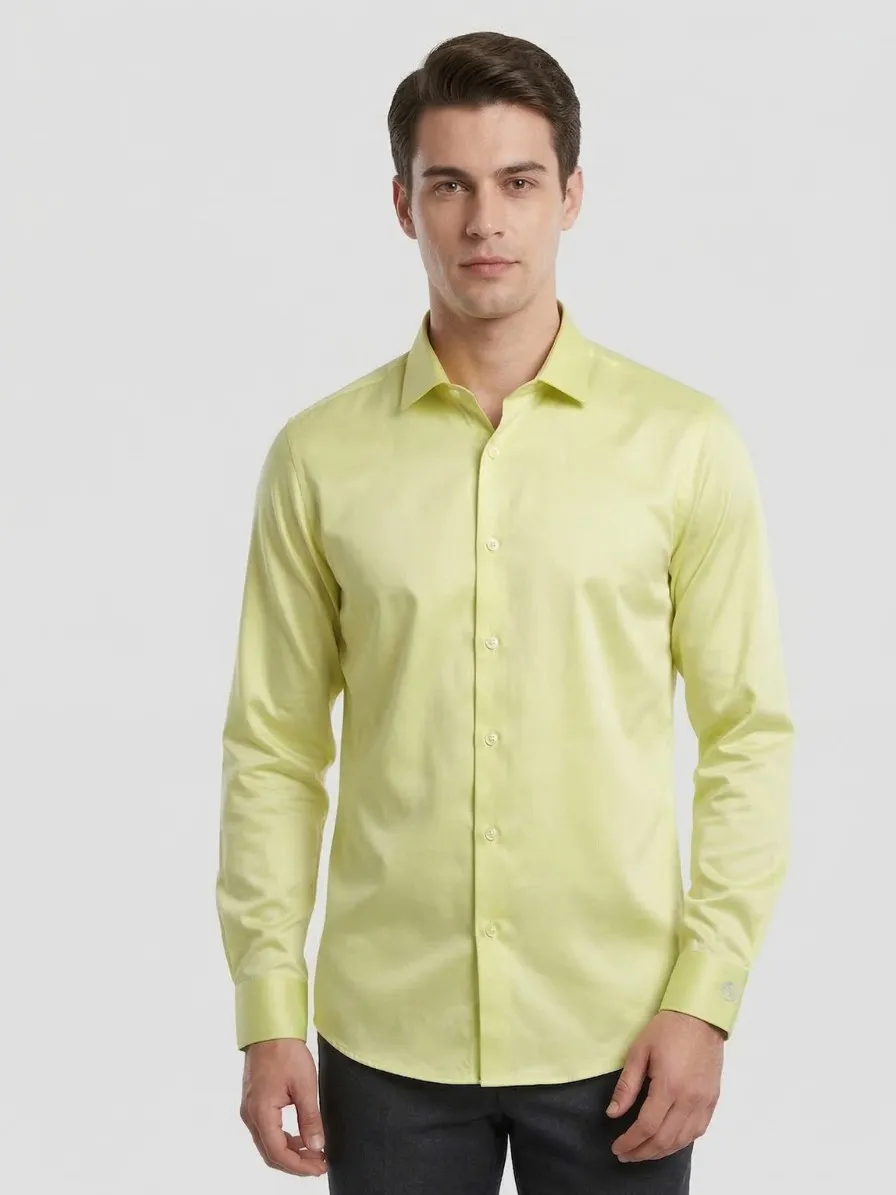
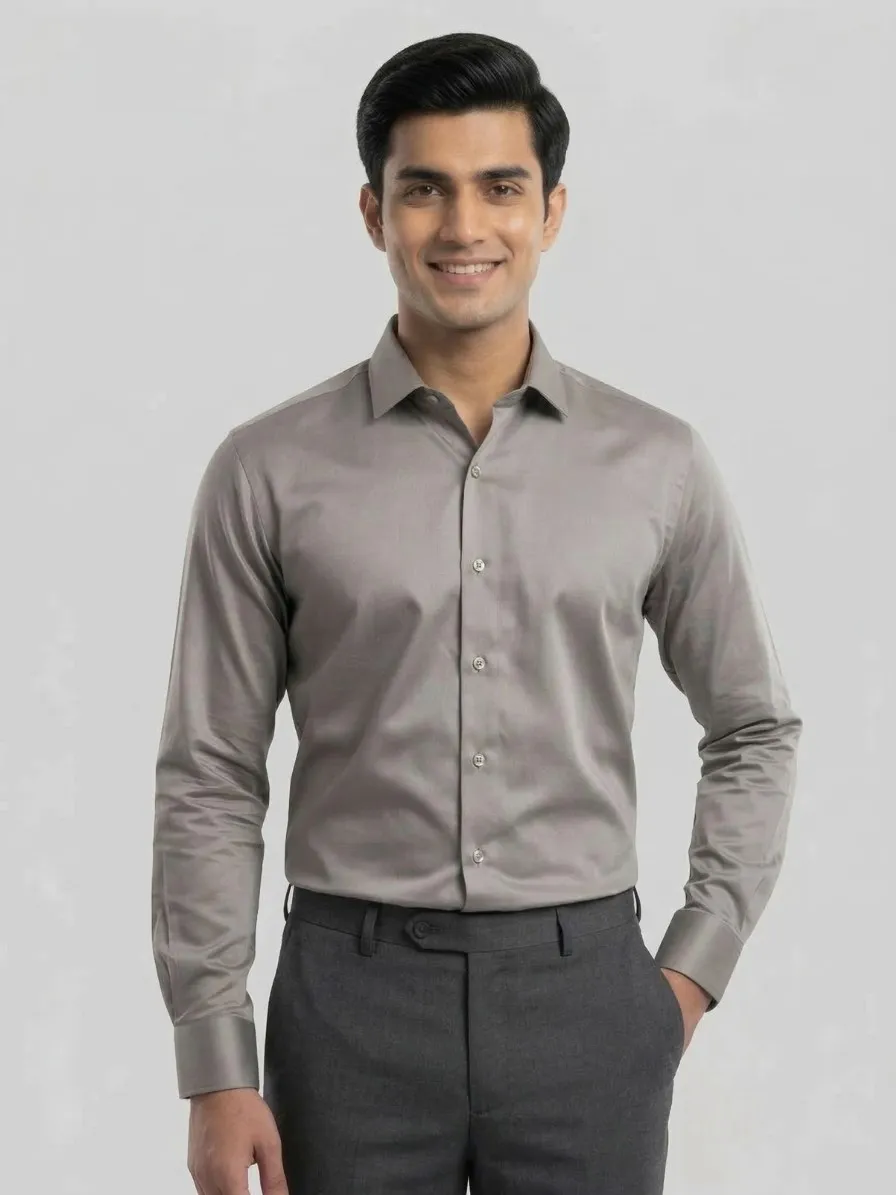
Lustra-Core™ Absolute White
Ultra-light pure cotton shirt engineered for Indian summers.
- Thread Count – A count of 120‑150 for shirts and 180‑200 for trousers signals a tight, well‑finished weave that resists snagging.
- Weight – Light (150‑180 gsm) for shirts, medium (250‑300 gsm) for trousers, and heavier (350+ gsm) for jackets.
- Fiber Source – European flax (Belgium, France) is renowned, but Indian-grown flax from Rajasthan’s Udyan farms offers comparable quality with a lower carbon footprint.
- Finish – Look for “pre‑washed” or “stone‑washed” finishes; they not only soften the fabric but also reduce the initial shrinkage.
The right construction ensures the linen ages beautifully, gaining character without turning into a rag.
Linen Fabric Types Explained: From Sultan’s Muslin to Modern Woven
- Sultan’s Muslin – A fine, almost sheer weave historically favored in royal courts. In India it appears in luxury sherwanis and formal shirts, offering a subtle sheen.
- Plain Weave – The most common, sturdy and easy to care for; ideal for everyday shirts and trousers.
- Basket Weave – A criss‑cross pattern that adds texture, perfect for relaxed jackets or summer shorts.
- Twill – Diagonal ribs give a sleek silhouette; a twill linen blazer holds its shape even in humid Kolkata evenings.
Understanding these weaves helps you decide whether you want a crisp, formal look or a relaxed, textural vibe.
Why Some Blends Outshine Pure Linen in Summer Office Wear
An Indian summer office can swing from 30 °C heat to AC‑cold interiors. Pure linen, while breathable, tends to wrinkle quickly and can feel too light under constant temperature changes. A linen‑cotton blend offers:
- Stability – The added cotton holds the shape when you sit for long meetings.
- Layering Friendly – Slightly heavier weight means you can pair a blend shirt with a lightweight blazer without the outfit looking “flimsy.”
- Better Color Retention – Blends absorb dyes more evenly, keeping that deep indigo or classic white looking vibrant after multiple washes.
Styling Considerations: Drape, Color Retention and Weave Impact
- Drape – Pure linen drapes like a soft curtain, lending a relaxed silhouette to shirts and trousers. Twill or ribbed blends hug the body more, creating a sharper line suited for formal shirts and tailored trousers.
- Color Retention – Straight‑grain linen holds dye well, but high‑tech blends with Tencel or modal stay brighter longer, especially in bright tropical suns.
- Weave Patterns –
- Rib – Adds vertical stretch; great for slim‑fit trousers.
- Basket – Provides a casual, textured look; ideal for weekend jackets.
- Twill – Gives a subtle diagonal pattern that elongates the torso, perfect for office shirts.
Choosing the right weave can turn a simple Pehanoge shirt into a statement piece or keep your trousers looking crisp all day.
Buying Guide: Pragmatic Checklist for Men
- Thread Count – Aim for 130‑150 for shirts, 180‑200 for trousers.
- Weight – Light for hot days, medium for layered looks.
- Fiber Source – Prefer locally sourced Udyan linen or Kanchipuram blends for authenticity and sustainability.
- Weave Type – Plain for easy care, twill for formality, basket for texture.
- Finish – Pre‑washed finishes reduce shrinkage; enzyme‑treated fabrics feel softer.
Cross‑check each point before you buy, and you’ll avoid the disappointment of a garment that pills, shrinks, or loses its shape after a few washes.
Indian Context: Local Linens and Climate Influence
India boasts a growing linen ecosystem. Rajasthan’s Udyan farms produce flax that yields a robust, slightly grainy linen—perfect for the arid north. In the south, Kanchipuram blends combine linen with silk, creating a lustrous fabric that works beautifully in humid environments thanks to its natural moisture‑wicking properties. Traditional weaves like Khadim from Gujarat add a rustic charm to casual wear, while modern Indian designers are experimenting with eco‑friendly dyes that maintain vibrancy under the Indian sun.
The hot, humid climate makes blends especially popular in metros like Mumbai and Bengaluru, where a linen‑cotton shirt can survive monsoon humidity without clinging. In contrast, pure linen thrives in the dry winters of Delhi and Jaipur, offering that coveted coolness without overheating.
FAQs
How do I care for pure linen versus linen blend garments?
- Pure linen: Machine wash on a gentle cycle with cold water, avoid harsh detergents, and tumble dry low or air‑dry flat. Iron while damp for a crisp finish.
- Linen blends: Follow the same wash routine, but most blends tolerate slightly higher temperatures (30 °C) and can be tumble dried on a low setting without excessive wrinkling.
Which linen blends are best suited for humid Indian summers?
A 55 % linen / 45 % cotton blend with a light basket or plain weave offers breathability while resisting moisture retention. Adding a small percentage of Tencel (5‑10 %) further improves wicking and reduces static.
Can pure linen clothing be worn under a blazer without wrinkling?
Yes, but choose a tighter‑woven, pre‑washed linen (120‑130 gsm) and pair it with a structured, half‑lined blazer made of light wool or blended tweed. The blazer’s lining helps keep the linen smooth, and a quick steam before the meeting removes any creases.
What are the price differences between high quality linen and blended alternatives?
- High‑quality pure linen: ₹2,500 – ₹5,000 for a shirt, ₹4,000 – ₹8,000 for trousers.
- Linen‑cotton blends: Typically 20‑30 % cheaper—₹1,800 – ₹3,500 for shirts and ₹3,200 – ₹6,500 for trousers.
The price gap reflects the cost of long‑staple flax and the extra processing required for pure linen, but blends offer a budget‑friendly entry point without sacrificing comfort.