
Organic linen isn’t just a fabric—it’s a choice. By weaving together sustainability, comfort, and ethical production, it reshapes how we think about everyday wear. Switching from conventional linen to certified organic versions means you’re opting for a textile that respects the planet, feels softer against the skin, and supports farmers who steer clear of harmful chemicals. In a country where summer heat meets bustling city life, this shift can feel both radical and wonderfully practical.
Why Organic Linen Outshines Conventional Linen Every Time
Organic linen begins in fields where the soil is nurtured without synthetic pesticides, and the water used is often rain‑fed, reducing strain on local resources. The fibers are harvested from flax plants that grow naturally, resulting in a fabric that is stronger, more breathable, and less likely to cause irritation. Moreover, organic certification guarantees that dyes and finishes meet strict environmental standards, so the end product is free from toxic residues that can affect both wearers and wastewater. For the modern Indian wardrobe, this means you get a material that stays cool in Delhi’s sweltering afternoons while aligning with a growing movement toward responsible consumption.
Recommended for You
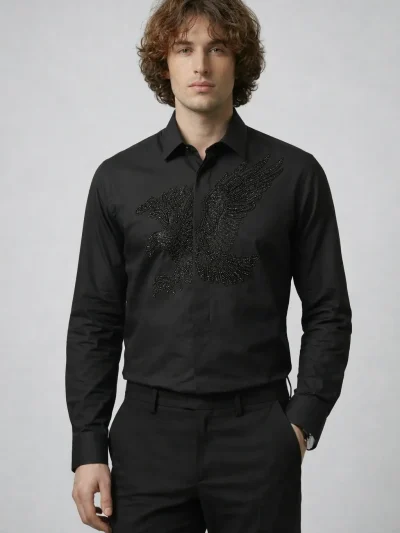


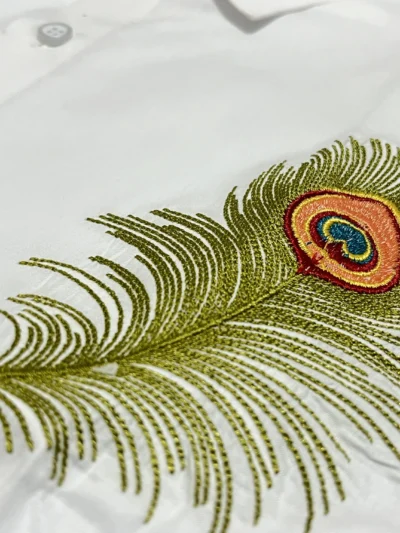
3 Shocking Environmental Savings of Switching to Pesticide-Free Linen – Up to 90 percent less water consumption compared with conventional cotton‑based linens, because flax thrives on natural rainfall.
- A 70 percent reduction in greenhouse‑gas emissions, as organic farms avoid nitrogen‑heavy fertilizers that release nitrous oxide.
- Significant soil regeneration: rotating flax with legumes restores nitrogen naturally, cutting the need for chemical inputs and preventing erosion—critical for the fragile ecosystems of the Terai region.
The Sweat‑Exudation Miracle: How Organic Linen Keeps You Cooler All Day
The natural hollow structure of flax fibers creates tiny air pockets that act like miniature cooling vents. When you sweat, moisture is quickly wicked away, leaving a dry, comfortable feel even when humidity spikes during monsoon evenings in Kolkata. This inherent breathability means you can skip the extra layer of antiperspirant sprays and still feel fresh during long commutes or outdoor festivals. In short, organic linen performs like a built‑in climate control system for your skin.
Organic Linen vs. Other Sustainable Fabrics: Which Really Delivers? (Plus a Secret Ranking)
When pitted against hemp, Tencel, and recycled polyester, organic linen holds its own in three key areas: durability, feel, and environmental impact. Hemp is undeniably strong, but its rougher hand can feel less refined for casual shirts. Tencel offers a silky drape but relies on energy‑intensive processing. Recycled polyester, while reducing plastic waste, still sheds micro‑plastics when washed. A secret ranking based on overall sustainability places organic linen at the top for its low‑impact cultivation, biodegradable nature, and timeless aesthetic that pairs effortlessly with Pehanoge shirts in casual wear.

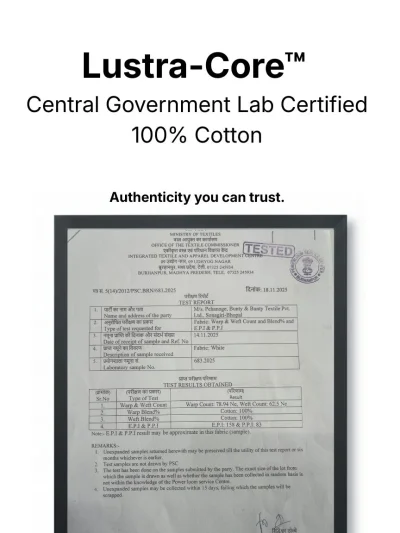
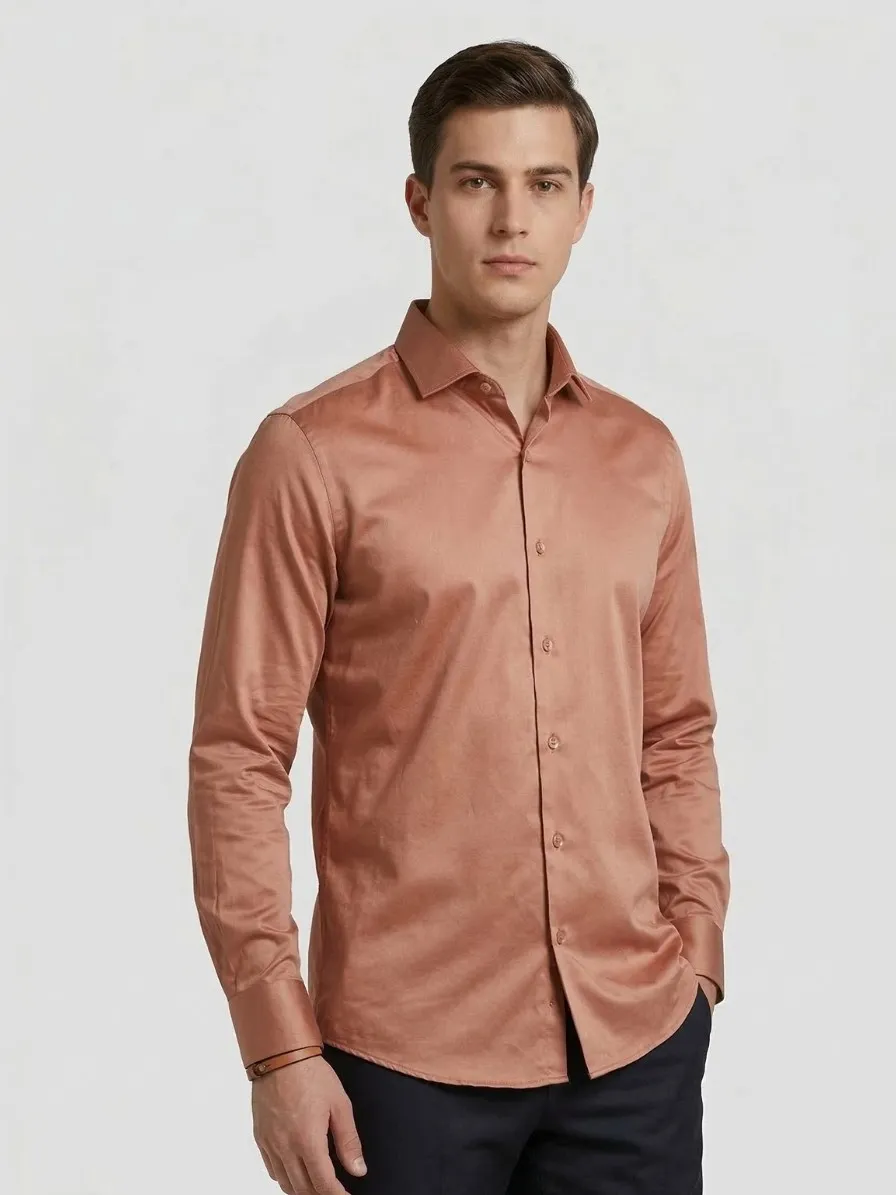
Lustra-Core™ Absolute White
Ultra-light pure cotton shirt engineered for Indian summers.
Your Guide to Decoding ‘Certified Organic’ Labels—So You Never Guess Again
Look for logos from recognized bodies such as GOTS (Global Organic Textile Standard) or India’s Organic Cotton and Textile Standard (OCTS). These marks confirm that the linen was grown without synthetic pesticides, that dyes meet strict toxicity limits, and that workers receive fair wages. Beware of vague terms like “eco‑friendly” or “green” without certification; they are often marketing ploys. A genuine certified organic label will also provide a traceable supply chain, allowing you to verify the farm’s location and practices.
Styling Organic Linen with Edge: From Breakfast-Club Classics to Boss-Worthy Tailoring
- Linen vs. Cotton: The Textural Feud That No Longer Matters (For Your Summer) Shade: How Neutral Organic Linen Elevates Any Look
- 3 Ways to Wear Organic Linen Without Looking ‘Surfer School’ (Seriously)
- The Pant‑Roll Revolution: How Organic Linen’s Structure Lets You Play Dress Up Without Effort
Organic linen’s natural drape and subtle sheen make it a versatile base for everything from relaxed weekend brunches to sharp office ensembles. Pair a crisp organic linen shirt with slim, rolled‑up chinos for a laid‑back vibe that still feels polished. For a more tailored appearance, choose a structured linen blazer in muted earth tones and match it with tailored trousers—this combination exudes confidence without sacrificing comfort.
Buyer’s Guide to Organic Linen: Pro Tips to Avoid the ‘Last-Minute TODO’ Regrets
- Verify certification before purchase; a quick scan of the label can save you from green‑washed imitations.
- Check the fabric weight: 150‑200 gsm is ideal for shirts, while 250‑300 gsm works well for heavier jackets.
- Look for pre‑washed or enzyme‑treated options if you dislike the initial stiffness; this process preserves the eco‑benefits while enhancing softness.
- Invest in a few high‑quality pieces rather than many cheap alternatives; durability translates into long‑term savings and less textile waste.
Organic Linen in India: From Terai Fields to Your Wardrobe—Why This Indian Fabric Is Winning the West
India’s rich tradition of linen cultivation, especially in the foothills of the Himalayas and the Terai region, offers a unique blend of climate‑adapted flax and centuries‑old weaving techniques. Local artisans are now blending these age‑old skills with modern organic standards, producing garments that are both culturally resonant and globally appealing. As international fashion houses spotlight Indian‑sourced organic linen, the fabric is gaining recognition for its sustainability credentials and its ability to bridge traditional craftsmanship with contemporary style. This synergy is why many Indian designers are swapping conventional cotton tees for organic linen variants in their summer collections.
FAQs
Can organic linen work well in humid Indian summers, or does it start to smell like a damp sock within hours?
Organic linen’s natural moisture‑wicking properties keep it dry and odor‑resistant even in high humidity. Its breathable fibers allow air to circulate, preventing the build‑up that typically leads to musty smells.
How long does organic linen last compared to snapback cotton tees? (Spoiler: The Math Is Decadent)
Because flax fibers are intrinsically stronger and less prone to pilling, organic linen garments often outlast cotton tees by 30‑50 percent when cared for properly. The longer lifespan reduces the need for frequent replacements, aligning with sustainable consumption goals.
Can I ‘revive’ wrinkled organic linen at home, or do I always need to drop it off at that barber’s counter everyone loves?
You can refresh wrinkled linen at home by gently steaming it or hanging it in a steamy bathroom; the heat relaxes the fibers without the need for professional pressing. For stubborn creases, a low‑heat iron on the reverse side works well.
Does organic linen require more frequent washing, or am I low‑key saving on laundry days?
thanks to its natural odor resistance, organic linen can be aired out between washes, allowing you to extend the time between full cycles. This not only saves water and energy but also preserves the fabric’s integrity over time.