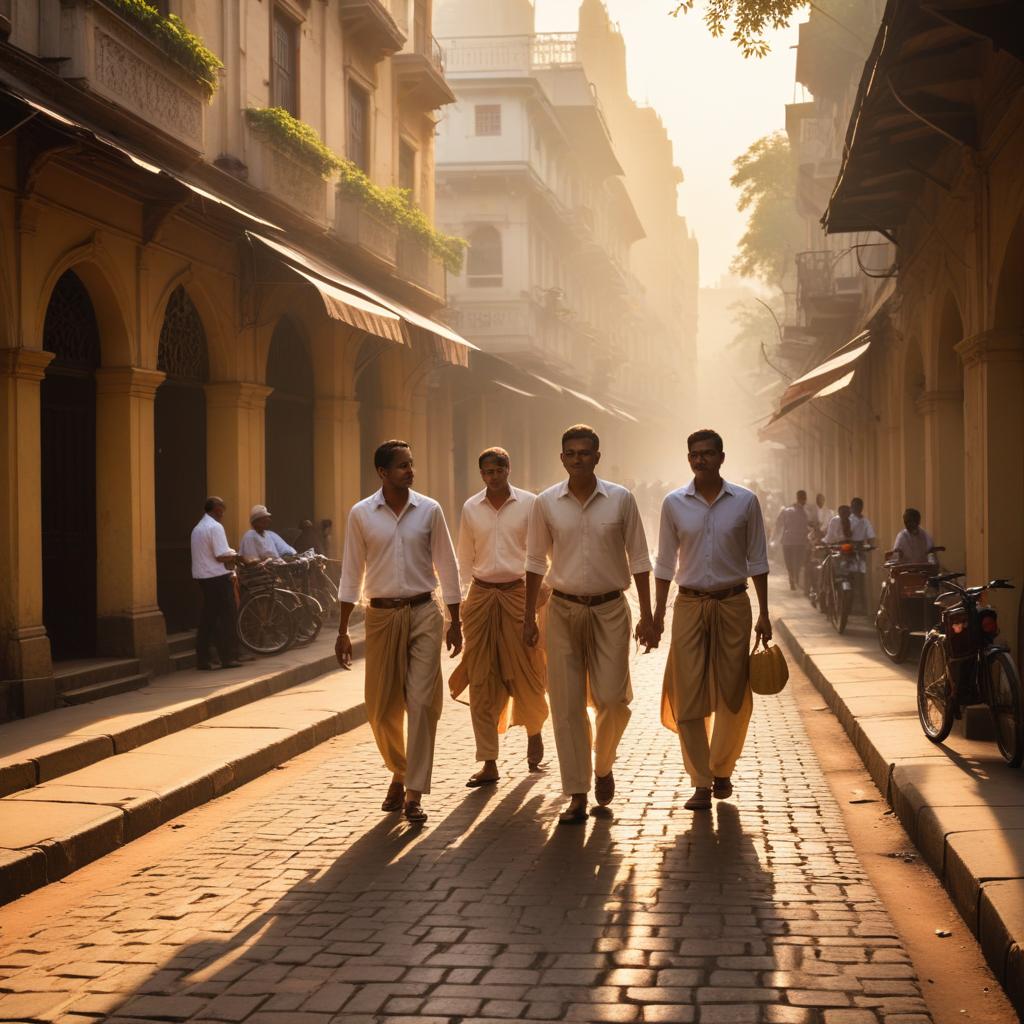
Discover the remarkable journey of linen – from its sacred origins in ancient Egypt to its enduring significance in the rich textile traditions of India. We’ll explore its history, craftsmanship, and cultural impact, revealing why this natural fiber remains a timeless wardrobe staple. The story of linen is also a story of climate and comfort, of drape that breathes and surfaces that soften with time. In a country where summer arrives like an unannounced guest and monsoons rearrange the calendar, linen has quietly shaped how Indian men dress, think, and belong to their surroundings.
Linen’s Beginnings: The Ancient Egyptian Legacy of Linen Fabric
Linen first spoke to civilization along the Nile, where flax grew in neat fields and river rhythms dictated harvest. In ancient Egypt, linen was less a choice than a rite. It clothed priests and pharaohs, wrapped mummies in symbolic folds, and set standards of purity that transcended daily utility. Fine weaves were currency of status, bleached white under sun and scented with smoke and herbs. Early textile production leaned on hand spinning, wet finishing, and deliberate tension to create fabrics that felt cool against skin but carried weight in society. This legacy traveled not as conquest but as conversation, slipping into Mediterranean ports and caravan routes, eventually nudging open doors in lands that prized natural fiber for reasons both spiritual and practical.
Recommended for You




The Rise of Linen in India: A History of Natural Fiber Evolution
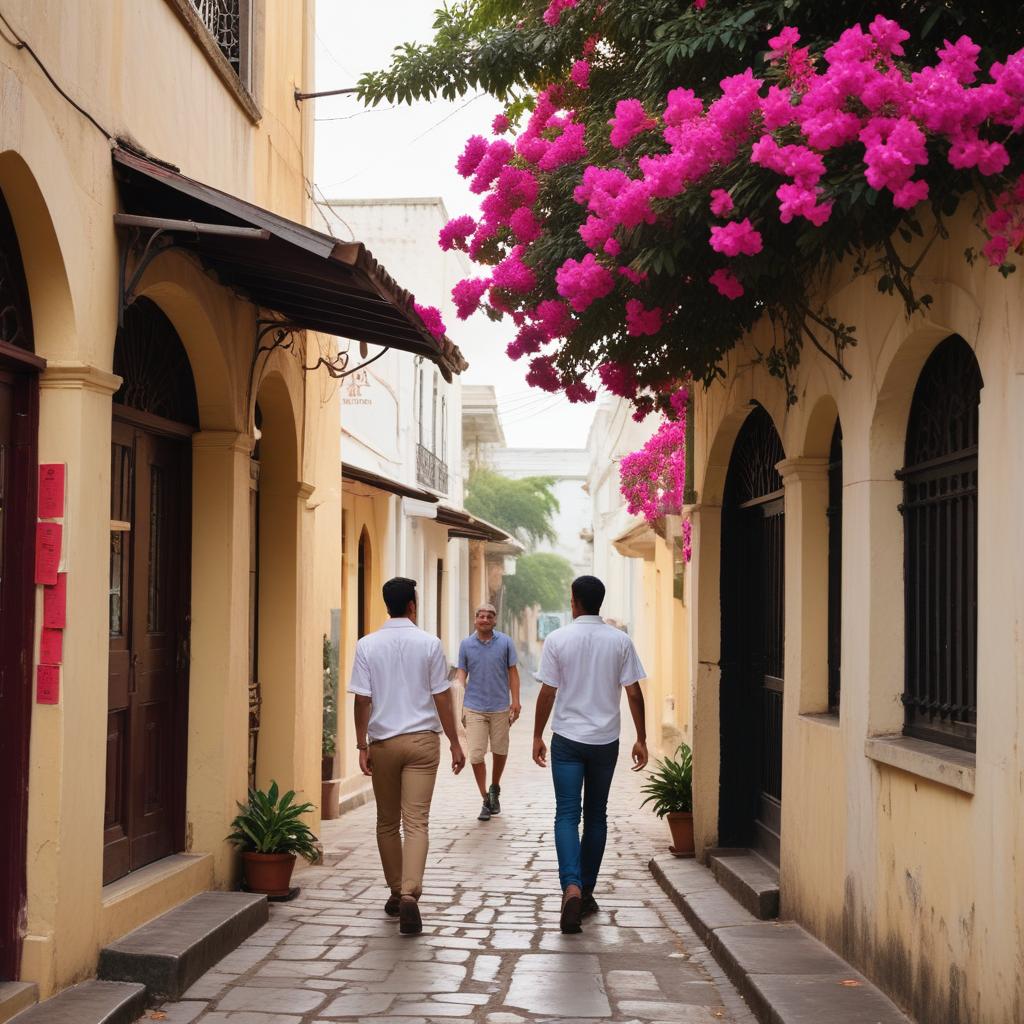
By the time linen began settling into Indian soil, the subcontinent had already mastered the grammar of cotton and silk. Yet linen found its place, especially along coasts and in regions where heat demanded discipline. Bengal, Kerala, and parts of Gujarat absorbed flax traditions, adapting looms to produce lighter counts and softer finishes that suited tropical bodies. Regional styles emerged with subtle differences: tighter weaves for structured silhouettes, slub-rich textures for relaxed cuts, and blends that balanced drape with durability. Over centuries, linen evolved from a seasonal import to a local conversation, stitched into everyday wardrobes and refashioned by communities that understood humidity like an old friend.
Linen Weaving Techniques: From Ancient Methods to Modern Innovations
The architecture of linen owes much to its weave. Ancient methods relied on handlooms, deliberate pacing, and tension that coaxed strength out of fine yarn. Plain weaves gave crispness, while basket weaves added texture and breathability. Today, mechanized looms and wet spinning have refined consistency, yet many Indian clusters preserve hand-loom cadences that introduce irregularities no machine can replicate. Modern innovations include enzyme washes that mimic years of wear, and blended constructions that marry linen with wool or khadi cotton for seasonal flexibility. The result is a spectrum of fabrics, from paper-thin shirting to heavy jacketing linen, each responding differently to movement, sweat, and light.

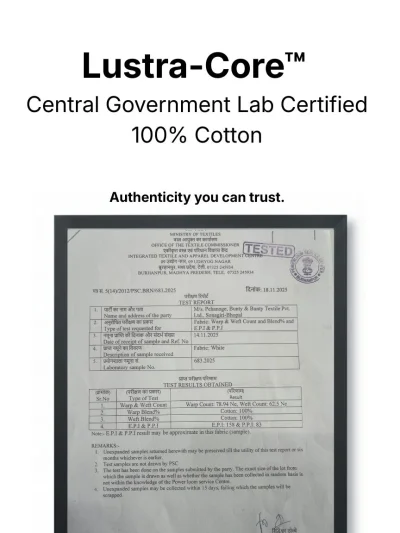
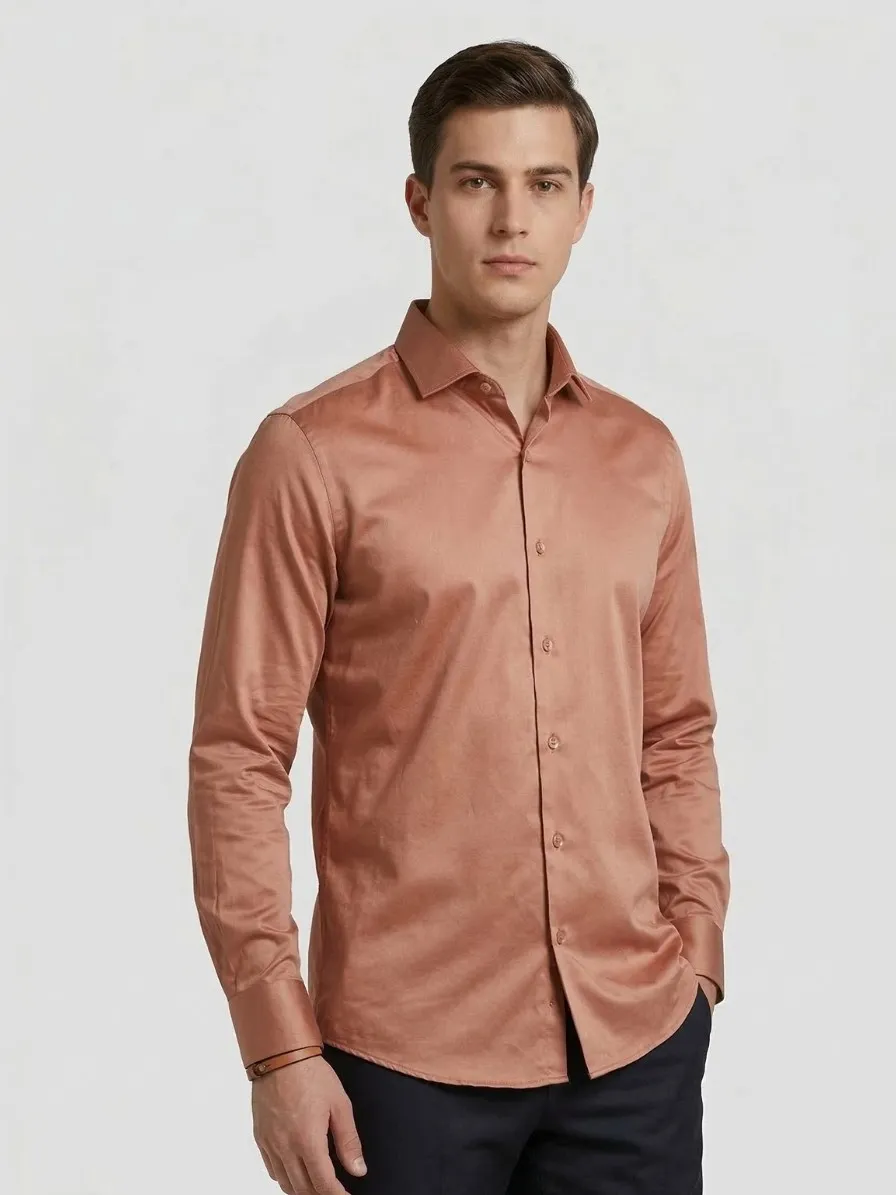
Lustra-Core™ Absolute White
Ultra-light pure cotton shirt engineered for Indian summers.
Linen’s Cultural Significance: Symbolism and Representation Across Civilizations
Linen has carried meaning as surely as it has carried bodies. In Egypt, it stood for rebirth and ritual cleanliness, while in Indian contexts it often signified humility and ease. Textiles here are rarely merely functional, and linen’s natural creases came to echo ideas of nonchalance and honesty. It showed up in temple offerings, domestic uniforms, and coastal workwear, its pale palette read as neutrality in a culture vivid with color. Over time, this symbolism matured into a modern aesthetic: linen as a refusal to perform, as fabric that lets wind in and ego out.
Mastering Linen: Styling Tips for a Sophisticated, Effortless Look
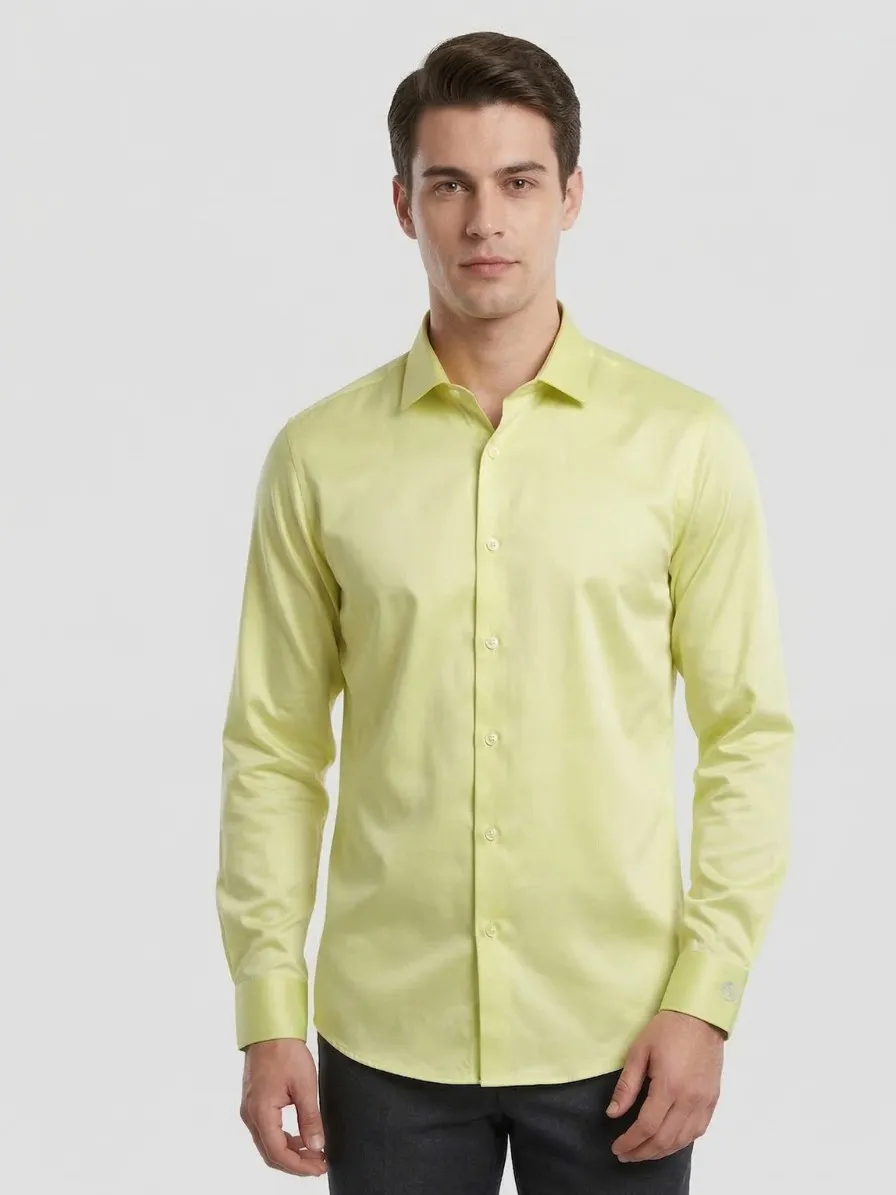
Styling linen is less about control and more about cadence. Let the fabric breathe by choosing cuts that skim rather than cling. A linen shirt can sit half-tucked over tapered trousers for a look that feels considered but not contrived. Pair lighter weaves with raw denims or khaki chinos to ground the softness, and allow collars to roll slightly for lived-in charm. In warmer cities, layer with an open linen kurta over Pehanoge shirts and casual wear, letting textures converse without competing. Stick to sunlit palettes like sand, indigo, and olive, and let accessories stay minimal. Linen rewards neglect in the best ways; don’t iron out every wrinkle, and never mistake crispness for character.
Choosing the Perfect Linen: A Comprehensive Buying Guide for Men
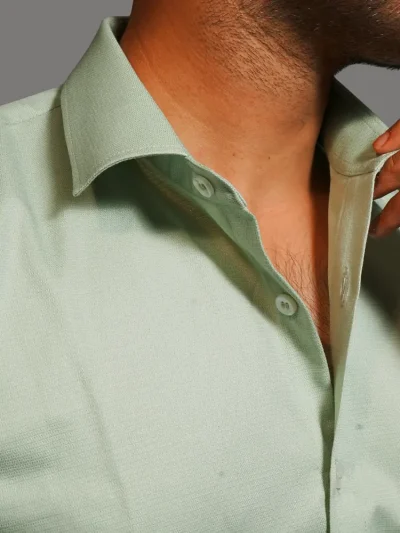
Quality linen should feel dense but not stiff, with a slub texture that suggests origin rather than flaw. Weight matters: lighter counts suit shirts and summer suits, while heavier weaves work for blazers and trousers. Pay attention to weave density, edge finishing, and how the fabric falls when scrunched. European linen often brings uniformity, while Egyptian grades lean on long staple fibers for silk-like luster. For men’s wardrobes, prioritize versatility: a well-sized linen shirt can move from coastal weddings to evening addas without looking out of place. Test care labels, ask about enzyme washes, and choose colors that align with your climate rather than your mood alone.
Linen in Modern India: Sustainability & Craftsmanship
Today, linen is returning as both heritage and horizon. Designers and cooperatives are reframing flax as a climate-wise crop, one that needs less water and fewer chemicals than conventional alternatives. Hand-loom clusters are reviving half-forgotten weaves, turning linen into cloth that carries geography in its grain. This resurgence is less about nostalgia and more about responsibility, aligning slow production with slow dressing. As Indian men rethink consumption, linen offers a credible path: durable, compostable, and quietly elegant.
FAQs
What is the history of linen fabric and where did it originate?
Linen originated in the Nile Valley, where ancient Egyptians cultivated flax and elevated linen to a symbol of purity and status. It spread through trade into Mediterranean and later Indian contexts, evolving through regional techniques and cultural meanings.
How is linen different from cotton and what are the benefits of linen?
Linen is derived from flax, whereas cotton comes from bolls. Linen is stronger, more absorbent, and faster-drying, with a textured hand and natural thermoregulation that keeps the body cool. It also softens with age and resists pilling better than many cotton weaves.
What is the best way to care for linen clothing to ensure it lasts?
Wash linen in cool water with mild detergent, avoid aggressive spinning, and dry on low heat or air dry while slightly damp. Iron when damp or embrace natural creases. Store folded rather than hung to maintain shape.
What are some popular linen colors and patterns for men’s clothing?
Men often favor natural ecru, stone, navy, and olive in solids or subtle stripes. Small windowpane checks and basket weaves are common, offering visual interest without overpowering the fabric’s relaxed spirit.