Hemp fabric is emerging as a sustainable alternative in the fashion industry, offering durability, breathability, and environmental benefits. This guide explores what hemp fabric is, its uses, and why it’s becoming a popular choice for eco-conscious consumers.
Understanding Hemp Fabric: What Makes It Unique
Hemp fabric is derived from the fibers of the hemp plant, Cannabis sativa. Unlike its psychoactive cousin, industrial hemp is cultivated for its strong, versatile fibers. The process of turning hemp into fabric involves harvesting the stalks, separating the fibers, and then spinning them into yarn. This results in a material that is not only durable but also naturally resistant to mold and UV light. Hemp fabric has a unique texture that softens with each wash, making it increasingly comfortable over time. Its breathability and moisture-wicking properties make it an excellent choice for clothing, especially in warm climates.
Recommended for You
Hemp Clothing Benefits: Why Choose Hemp Over Other Fabrics
Hemp fabric offers several advantages over traditional materials like cotton or synthetic fibers. First, it is incredibly durable, often lasting twice as long as cotton. This makes it a cost-effective choice in the long run. Hemp is also highly breathable, allowing air to circulate and keeping the body cool. Additionally, it is naturally antibacterial, which helps in reducing odors—a significant benefit for activewear. Hemp fabric is also biodegradable, meaning it won’t contribute to landfill waste at the end of its life cycle. For those concerned about sustainability, hemp requires less water and fewer pesticides to grow compared to cotton, making it a more eco-friendly option.
Hemp Textile Uses: From Fashion to Home Décor
The versatility of hemp fabric extends beyond clothing. In the fashion industry, it is used to create everything from casual wear like t-shirts and jeans to more formal attire such as blazers and dresses. Hemp’s durability also makes it ideal for accessories like bags, hats, and shoes. Beyond fashion, hemp fabric is increasingly being used in home décor. It can be found in items such as curtains, upholstery, and even bedding. Its natural texture adds a rustic charm to interiors, while its strength ensures longevity. In India, hemp is being incorporated into traditional crafts, creating eco-friendly sarees and kurtas that blend modern sustainability with cultural heritage.

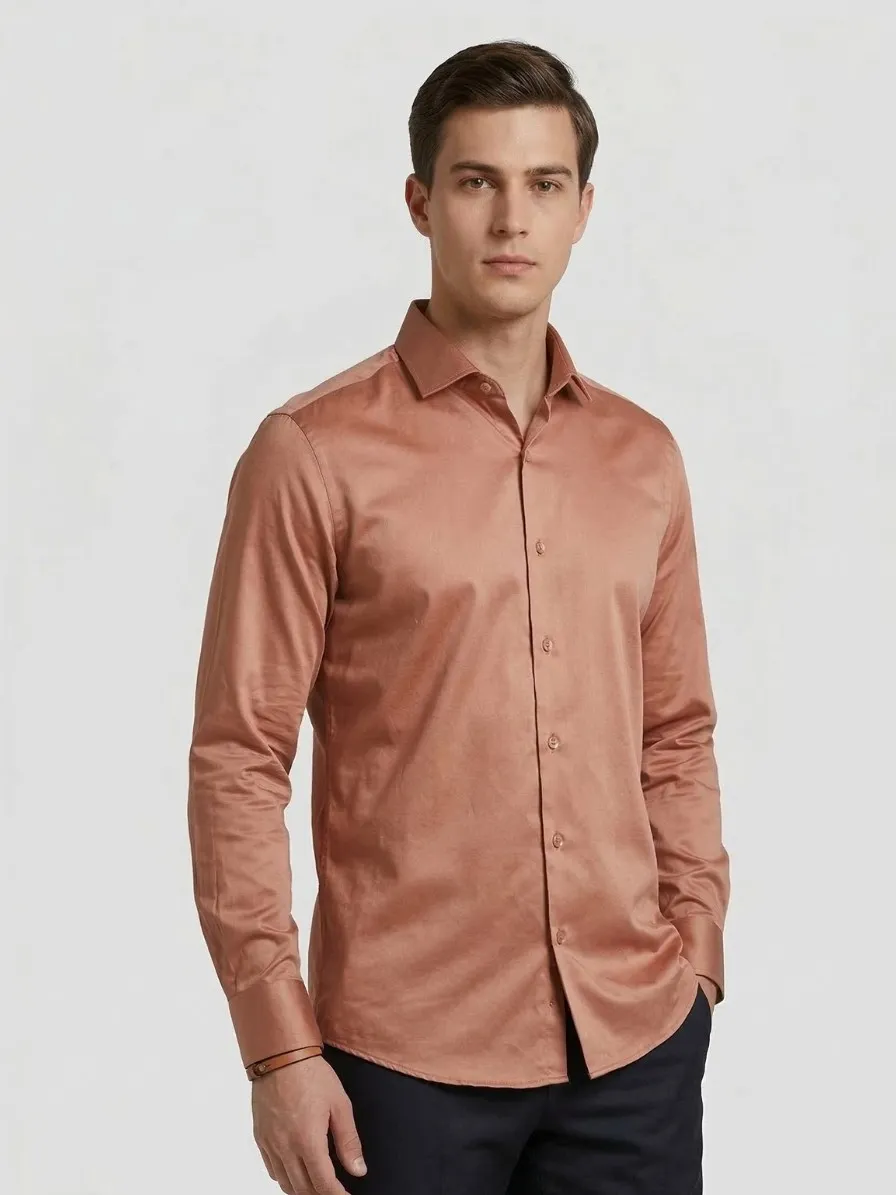
Lustra-Core™ Absolute White
Ultra-light pure cotton shirt engineered for Indian summers.
The Eco-Friendly Nature of Hemp Fabric: A Sustainable Choice
Hemp fabric stands out as one of the most sustainable textiles available today. The hemp plant grows rapidly, often requiring no pesticides or herbicides, and it improves soil health by returning nutrients to the earth. It also absorbs more CO2 per acre than most trees, making it a carbon-negative crop. The production process of hemp fabric is less chemically intensive compared to synthetic fibers, further reducing its environmental impact. For consumers in India, where environmental concerns are increasingly important, choosing hemp fabric is a step towards a more sustainable lifestyle. Brands like Pehanoge are leading the way by offering hemp-based shirts and casual wear that combine style with eco-consciousness.
Hemp Fabric Guide: How to Identify and Care for Hemp Clothing
Identifying hemp fabric is relatively straightforward. It often has a slightly coarse texture that softens with washing, and it may have a natural, earthy color. When purchasing hemp clothing, look for certifications like GOTS (Global Organic Textile Standard) to ensure the product meets eco-friendly standards. Caring for hemp fabric is simple. It can be machine washed in cold water and air-dried to maintain its integrity. Avoid using bleach or harsh detergents, as these can weaken the fibers. Over time, hemp fabric may wrinkle, but this can be easily managed with a warm iron. By following these care instructions, your hemp clothing will remain durable and comfortable for years to come.
Styling Hemp Fabric: Versatility in Every Outfit
Hemp fabric offers a versatile canvas for styling, blending effortlessly with both casual and formal outfits. Its natural texture pairs well with earthy tones, making it ideal for relaxed, eco-friendly looks. For a modern twist, combine hemp clothing with minimalist accessories or layer it with other sustainable fabrics like organic cotton or linen. Whether it’s a hemp shirt for a laid-back weekend or a tailored hemp blazer for a polished appearance, this fabric adapts to various styles while maintaining its eco-conscious appeal. In India, hemp kurtas and sarees are becoming popular choices for those who want to make a sustainable fashion statement without compromising on tradition.
Buying Guide: Making the Right Choice
When purchasing hemp fabric or clothing, prioritize quality and sustainability. Look for certifications like GOTS (Global Organic Textile Standard) to ensure the product meets eco-friendly standards. Check the fabric blend—pure hemp or a mix with organic cotton can offer different textures and durability. Consider the weight of the fabric; lighter weights are ideal for summer wear, while heavier weights suit cooler climates. Finally, support brands that emphasize ethical production and transparency in their supply chain to make a truly sustainable choice. In India, where the demand for sustainable fashion is growing, brands like Pehanoge are setting an example by offering high-quality hemp shirts and casual wear that are both stylish and environmentally responsible.
Indian Context: Hemp Fabric in the Indian Fashion Landscape
In India, hemp fabric is gaining traction as a sustainable alternative in the fashion and textile industry. Known for its durability and breathability, hemp is particularly well-suited to India’s diverse climate, offering comfort in both hot and humid conditions. Indian artisans are increasingly incorporating hemp into traditional crafts, creating eco-friendly sarees, kurtas, and home textiles. With the government’s push for sustainable agriculture, hemp farming is also being explored as a viable crop, promoting rural livelihoods and reducing environmental impact. This makes hemp fabric not just a fashion statement but a step towards a greener future in India. Brands like Pehanoge are at the forefront of this movement, offering hemp-based shirts and casual wear that resonate with the eco-conscious Indian consumer.
FAQs
What is hemp fabric made from?
Hemp fabric is made from the fibers of the hemp plant, Cannabis sativa. These fibers are harvested, processed, and spun into yarn to create the fabric.
Is hemp fabric better than cotton?
Hemp fabric is generally more durable and breathable than cotton. It also requires less water and fewer pesticides to grow, making it a more sustainable option.
How do you care for hemp clothing?
Hemp clothing can be machine washed in cold water and air-dried. Avoid using bleach or harsh detergents, and iron on a warm setting if needed.
Is hemp fabric eco-friendly?
Yes, hemp fabric is highly eco-friendly. The hemp plant grows quickly, requires minimal pesticides, and improves soil health. It also absorbs more CO2 than most trees, making it a carbon-negative crop.